ChatGPTがサポートするプログラミング言語と今後の展望

ひとりごと

エンジニアの方たち、多くの方が、大いに活用されているのかな。

ChatGPTがサポートするプログラミング言語と今後の展望

近年、人工知能(AI)の進化に伴い、様々なプログラミングタスクを支援するツールが登場しています。その中でも、OpenAIのChatGPTはその柔軟性と多機能性で注目を集めています。今回は、ChatGPTが現在サポートしているプログラミング言語と、今後のサポート強化が期待される分野について紹介します。

ChatGPTがサポートするプログラミング言語

ChatGPTは多くのプログラミング言語でのコーディングを支援することができます。以下に代表的な言語を挙げます。

  1. Python
  2. JavaScript
  3. Java
  4. C++
  5. C#
  6. Ruby
  7. PHP
  8. Swift
  9. Kotlin
  10. Go
  11. R
  12. MATLAB
  13. HTML/CSS
  14. SQL
  15. Bash/Shellスクリプト
  16. Perl

これらの言語に対応することで、ChatGPTは幅広いプログラミングニーズに応えることができます。

今後のサポート強化が期待される分野

AI技術は日々進化しており、ChatGPTもその例外ではありません。以下に、今後のサポート強化が期待される分野やツールを紹介します。

  1. 新しいプログラミング言語
    • 新たに人気が高まっている言語(例:Rust、Elixirなど)のサポート。
  2. クラウドプラットフォームとツール
    • AWS、Azure、Google Cloud Platformなどの主要クラウドサービスのサポート強化。
  3. データサイエンスと機械学習
    • PyTorch、TensorFlow、Scikit-learnなどのライブラリやツールのサポート。
  4. DevOpsツール
    • Docker、Kubernetes、Terraformなどのインフラ管理ツールのサポート。
  5. フロントエンドフレームワーク
    • React、Vue.js、Angularなどの最新のフロントエンドフレームワークのサポート。
  6. バックエンドフレームワーク
    • Django、Flask、Express.js、Spring Bootなどのバックエンドフレームワークのサポート。
  7. セキュリティツール
    • セキュリティ診断ツールや暗号化ライブラリのサポート強化。

まとめ

ChatGPTは、既に多くのプログラミング言語をサポートしており、さらに多くの分野やツールに対応することが期待されています。技術の進化と共に、ChatGPTの機能も進化し続けることでしょう。公式の発表やアップデート情報を定期的にチェックし、最新のサポート状況を把握することが重要です。

今後も、ChatGPTがどのように進化し、私たちのプログラミング作業をどのように支援してくれるのか、注目していきましょう。

ChatGPTでのファイルアップロード:ファイルサイズの上限は?(2024年5月25日現在)

ChatGPTでファイルアップロード時のファイルサイズの上限について

最近、ChatGPTのデータ分析機能が強化されてきましたね。

先日、1.17GBのCSVファイルをアップロードして分析しようとしたところ、アップロードファイルの上限に引っかかってしまいました。備忘録として記録しておきます。

アップロード時のエラー画面

現時点では、アップロードできるファイルサイズは 512MB までのようです。

ご覧いただき、ありがとうございました。

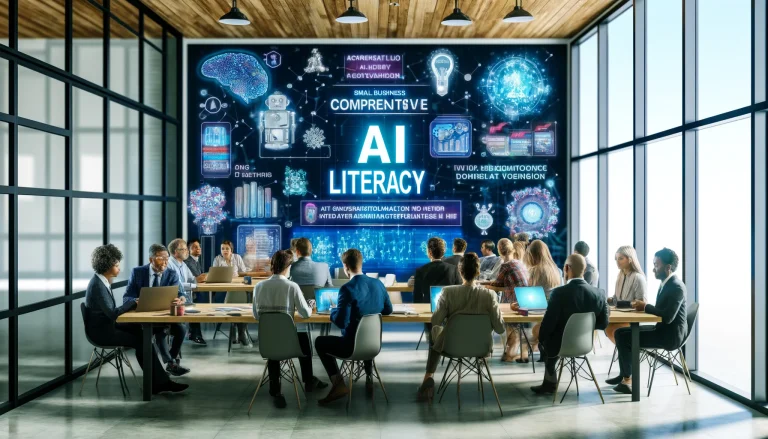
中小企業におけるAIリテラシーの向上:包括的な計画

はじめに

人工知能(AI)は、プロセスの自動化、意思決定の強化、新たなビジネスチャンスの創出によって産業を変革しています。中小企業がAIを採用することで、大きな競争優位性を得ることができます。しかし、AIを効果的に活用するためには、その能力と応用方法を理解することが重要です。この包括的な計画では、中小企業が従業員のAIリテラシーを向上させ、AI技術の潜在能力を最大限に活用できるようにする方法を探ります。

中小企業におけるAIリテラシーの重要性

イノベーションの推進

AIリテラシーは、中小企業がAI応用の新たな機会を特定することでイノベーションを促進します。これにより、新製品、新サービス、または新しいビジネスモデルの開発が可能となり、競争の一歩先を行くことができます。

効率と生産性の向上

AIはルーチンタスクの自動化、大規模データセットの分析、意思決定を改善するインサイトの提供を可能にします。AIを理解している従業員は、これらの技術を効果的に活用し、業務を合理化し、コストを削減し、生産性を向上させることができます。

顧客体験の向上

チャットボット、パーソナライズされたマーケティング、予測分析などのAI技術は、顧客体験を大幅に向上させることができます。AIリテラシーを持つ従業員は、これらの技術を実装し管理することで、顧客満足度とロイヤルティを高めることができます。

競争優位性の確保

多くの企業がAIを採用する中で、AIリテラシーを欠く企業は後れを取るリスクがあります。AIリテラシーを養うことで、中小企業は競争力を維持し、急速に変化する市場環境に適応することができます。

AIリテラシープログラムの主要コンポーネント

AIの基本理解

全従業員にとって、AIの基本的な理解は不可欠です。これには、AIとは何か、どのように機能するか、その様々な応用方法についての知識が含まれます。

主要分野:

  • AIの定義:AIと機械学習の基本概念を理解する。
  • AIの種類:狭いAI、汎用AI、機械学習などの異なる種類のAIを学ぶ。
  • AIの応用:ビジネスにおける一般的なAIの応用方法(チャットボット、レコメンデーションシステム、データ分析など)を探る。

高度なAI概念

技術的な役割を担う従業員には、AIの概念と技術に関するより深い理解が必要です。

主要分野:

  • 機械学習アルゴリズム:機械学習アルゴリズムの仕組みと、その異なる種類(教師あり学習、教師なし学習、強化学習)を理解する。
  • データサイエンス:データ収集、クリーニング、分析の基本を学ぶ。
  • AIツールとフレームワーク:TensorFlow、PyTorch、Scikit-learnなどの人気のあるAIツールとフレームワークに精通する。

実践的なAIスキル

AIツールや技術を実践的に使用する経験は、実践的なAIスキルを身につけるために重要です。

主要分野:

  • データ処理:PythonやSQLなどのツールを使用したデータの管理と処理のスキル。
  • AIモデルの構築:AIモデルの構築、トレーニング、デプロイの経験。
  • AIの統合:AIソリューションを既存のビジネスプロセスやシステムに統合する方法を理解する。

倫理的かつ責任あるAIの利用

AIの倫理的な側面と責任ある利用を理解することは、AI技術が公正かつ安全に使用されることを保証するために重要です。

主要分野:

  • バイアスと公正性:AIモデルのバイアスを認識し、軽減する方法。
  • プライバシーとセキュリティ:AI応用におけるデータとプライバシーの保護を確保する方法。
  • 透明性:AI意思決定プロセスの透明性の重要性を理解する。

AIリテラシープログラムの実施

現在のAIリテラシーレベルの評価

AIリテラシープログラムを実施する前に、従業員の現在のAI知識とスキルレベルを評価することが重要です。これにより、ギャップを特定し、プログラムを特定のニーズに合わせて調整できます。

ステップ:

  1. 調査とアンケート:従業員の現在のAI理解と学習の好みについて情報を収集するために調査を実施。
  2. スキル評価:AI関連分野における従業員の技術的習熟度を評価するための評価を実施。
  3. フィードバックセッション:従業員とのディスカッションを開催し、トレーニングニーズと期待を理解。

包括的なトレーニングプログラムの開発

構造化されたトレーニングプログラムは、AIリテラシーの向上に不可欠です。プログラムは、前述の主要コンポーネントをカバーし、組織のニーズに合わせて調整する必要があります。

主要要素:

  • モジュラーアプローチ:トレーニングをモジュールに分割し、それぞれがAIの基本、高度な概念、実践的なスキル、倫理的考慮に焦点を当てる。
  • インタラクティブ学習:ハンズオンの演習、ケーススタディ、実世界のシナリオを取り入れ、トレーニングを魅力的で実践的なものにする。
  • ブレンドラーニング:対面ワークショップ、オンラインコース、自習教材を組み合わせて、さまざまな学習スタイルに対応。
  • 定期的な更新:トレーニング内容を定期的に更新し、最新のAI技術の進歩を反映する。

トレーニングに技術を活用

技術を活用することで、AIリテラシープログラムの効果を高め、従業員にAIツールを実践的に使用する経験を提供できます。

ツールとプラットフォーム:

  • ラーニングマネジメントシステム(LMS):Moodle、Canvas、TalentLMSなどのプラットフォームを使用してトレーニングコンテンツを提供し、進捗を追跡し、学習成果を評価。
  • オンラインコース:Coursera、Udemy、LinkedIn Learningなどのウェブサイトを利用して、従業員が自分のペースで受講できる幅広いAIコースを提供。
  • AI開発環境:Google Colab、Azure Machine Learning、AWS SageMakerなどのクラウドベースの環境を使用して、ハンズオンの実践を提供。

支援的な学習環境の作成

支援的な学習環境は、従業員がAIスキルを開発し、継続的な改善の文化を育むことを奨励します。

戦略:

  • メンターシッププログラム:経験の浅い従業員をAIに精通したメンターとペアにし、指導とサポートを提供。
  • インセンティブと認識:認定、ボーナス、表彰などのインセンティブを提供し、従業員がトレーニングを完了しスキルを活用することを奨励。
  • オープンコミュニケーション:オープンなコミュニケーションとフィードバックを奨励し、従業員が学習経験を共有し、改善の提案を行えるようにする。

AIリテラシープログラムの効果の評価

AIリテラシープログラムが効果的であり、組織の目標を達成していることを確認するためには、継続的な評価が不可欠です。

方法:

  • トレーニング前後の評価:トレーニング前後に従業員のAIスキルを測定し、改善を評価。
  • 調査とフィードバック:参加者からのフィードバックを収集し、彼らの経験を理解し、改善点を特定。
  • パフォーマンス指標:生産性の向上、イノベーション率の向上、意思決定能力の向上などの主要業績指標を追跡。

ケーススタディと例

ケーススタディ1:小規模Eコマースビジネス

ある小規模Eコマースビジネスは、マーケティングと顧客サービスの能力を向上させるためにAIリテラシープログラムを実施しました。プログラムには、AIの基本、データ分析、チャットボットの実装に関するオンラインコースとワークショップが含まれていました。その結果、同社はAI駆動のチャットボットを導入し、顧客の問い合わせに対応し、顧客データを分析してマーケティングキャンペーンを個別化することができました。これにより、顧客満足度が25%向上し、売上が15%増加しました。

ケーススタディ2:中規模製造業

ある中規模製造業は、予測保守とプロセス最適化に焦点を当てたAIリテラシープログラムを採用しました。トレーニングにはハンズオンのラボとAI専門家からのメンターシップが含まれていました。従業員は、機械学習アルゴリズムを使用して設備の故障を予測し、生産スケジュールを最適化する方法を学びました。同社はメンテナンスコストが20%削減され、生産効率が10%向上したと報告しました。

AIリテラシープログラムの実施における課題の克服

中小企業においてAIリテラシープログラムを実施することは課題を伴いますが、慎重な計画と実行によりこれらの障害を克服することができます。

一般的な課題:

  • 限られたリソース:中小企業は、AIトレーニングに割ける予算や人員が限られていることが多いです。
  • 従業員の抵抗:一部の従業員は変化に抵抗し、新しい技術に対して恐れを感じることがあります。
  • 時間の制約:日常業務とトレーニングのバランスを取ることが、従業員とマネージャーの両方にとって難しいことがあります。

解決策:

  • 費用対効果の高いトレーニングオプション:無料または低コストのオンラインコースやオープンソースのトレーニング資料を活用。労働力開発のための助成金や補助金を探す。
  • チェンジマネジメント戦略:AIリテラシーの利点を明確に伝え、従業員を計画プロセスに参加させて賛同を得る。
  • 柔軟なスケジューリング:異なる時間帯にトレーニングセッションを提供し、忙しいスケジュールに対応するための自習型学習を許可。

中小企業におけるAIリテラシーの将来のトレンド

技術が進化し続ける中で、中小企業におけるAIリテラシーの要件も進化します。これらのトレンドに先んじて対応することで、ビジネスは競争力とセキュリティを維持することができます。

新興トレンド:

  • AIと自動化:AIと自動化がビジネスオペレーションを合理化する方法を理解する。
  • AI倫理とガバナンス:責任あるAIの利用を確保するための倫理的AI実践とガバナンスフレームワークの強調。
  • 業界特化のAI応用:ヘルスケア、金融、小売などの特定の業界に特化したAIリテラシープログラムの開発。
  • 生涯学習:AIスキルと知識を継続的に更新するための生涯学習文化の促進。

結論

中小企業におけるAIリテラシーの向上は、運営効率、イノベーション、競争力の達成に向けた重要なステップです。基本的および高度な概念、実践的なスキル、倫理的考慮をカバーする包括的なAIリテラシープログラムを開発することで、中小企業は従業員がAI技術を効果的に活用できるようにします。構造化されたアプローチを通じてこのプログラムを実施し、トレーニングに技術を活用し、支援的な学習環境を作り、その効果を継続的に評価することで、中小企業はデジタル時代の複雑さを乗り越えるために十分に準備されるでしょう。AIリテラシーへの投資は、ビジネスを強化するだけでなく、継続的な学習と革新の文化を育み、持続的な成長と成功への道を開くことになります。

Enhancing AI Literacy in Small Businesses: A Comprehensive Plan

Introduction

Artificial Intelligence (AI) is transforming industries by automating processes, enhancing decision-making, and creating new business opportunities. For small businesses, adopting AI can lead to significant competitive advantages. However, the key to leveraging AI effectively lies in understanding its capabilities and applications. This comprehensive plan explores how small businesses can enhance AI literacy among their employees, ensuring that they can harness the full potential of AI technologies.

The Importance of AI Literacy in Small Businesses

Driving Innovation

AI literacy enables small businesses to innovate by identifying new opportunities for AI applications. This can lead to the development of new products, services, or business models, helping businesses stay ahead of the competition.

Improving Efficiency and Productivity

AI can automate routine tasks, analyze large datasets, and provide insights that improve decision-making. Employees who understand AI can effectively utilize these technologies to streamline operations, reduce costs, and enhance productivity.

Enhancing Customer Experience

AI technologies such as chatbots, personalized marketing, and predictive analytics can significantly enhance customer experience. Employees with AI literacy can implement and manage these technologies to improve customer satisfaction and loyalty.

Ensuring Competitive Advantage

As more businesses adopt AI, those that lack AI literacy risk falling behind. By fostering AI literacy, small businesses can maintain a competitive edge and adapt to rapidly changing market conditions.

Key Components of an AI Literacy Program

Understanding AI Basics

A fundamental understanding of AI is essential for all employees. This includes knowledge of what AI is, how it works, and its various applications.

Key Areas:

  • Definition of AI: Understanding the basic concepts of AI and machine learning.
  • Types of AI: Learning about different types of AI, such as narrow AI, general AI, and machine learning.
  • AI Applications: Exploring common AI applications in business, such as chatbots, recommendation systems, and data analysis.

Advanced AI Concepts

For employees involved in more technical roles, a deeper understanding of AI concepts and technologies is necessary.

Key Areas:

  • Machine Learning Algorithms: Understanding how machine learning algorithms work and their different types (supervised, unsupervised, reinforcement learning).
  • Data Science: Learning the basics of data collection, cleaning, and analysis.
  • AI Tools and Frameworks: Familiarity with popular AI tools and frameworks such as TensorFlow, PyTorch, and Scikit-learn.

Practical AI Skills

Hands-on experience with AI tools and technologies is crucial for developing practical AI skills.

Key Areas:

  • Data Handling: Skills in managing and processing data using tools like Python and SQL.
  • Building AI Models: Experience in building, training, and deploying AI models.
  • AI Integration: Understanding how to integrate AI solutions into existing business processes and systems.

Ethical and Responsible AI

Understanding the ethical implications and responsible use of AI is vital to ensure that AI technologies are used fairly and safely.

Key Areas:

  • Bias and Fairness: Recognizing and mitigating bias in AI models.
  • Privacy and Security: Ensuring the protection of data and privacy in AI applications.
  • Transparency: Understanding the importance of transparency in AI decision-making processes.

Implementing an AI Literacy Program

Assessing Current AI Literacy Levels

Before implementing an AI literacy program, it is important to assess the current level of AI knowledge and skills among employees. This helps identify gaps and tailor the program to meet specific needs.

Steps:

  1. Surveys and Questionnaires: Use surveys to gather information about employees’ current understanding of AI and their learning preferences.
  2. Skill Assessments: Conduct assessments to evaluate the technical proficiency of employees in AI-related areas.
  3. Feedback Sessions: Hold discussions with employees to understand their training needs and expectations.

Developing a Comprehensive Training Program

A structured training program should cover the key components of AI literacy and be tailored to the needs of the organization.

Key Elements:

  • Modular Approach: Divide the training into modules focusing on AI basics, advanced concepts, practical skills, and ethical considerations.
  • Interactive Learning: Incorporate hands-on exercises, case studies, and real-world scenarios to make the training engaging and practical.
  • Blended Learning: Use a combination of in-person workshops, online courses, and self-paced learning materials to accommodate different learning styles.
  • Regular Updates: Ensure that the training content is regularly updated to reflect the latest advancements in AI technology.

Leveraging Technology for Training

Utilize technology to enhance the effectiveness of the AI literacy program and provide practical experience with AI tools.

Tools and Platforms:

  • Learning Management Systems (LMS): Platforms like Moodle, Canvas, or TalentLMS can deliver training content, track progress, and assess learning outcomes.
  • Online Courses: Websites like Coursera, Udemy, and LinkedIn Learning offer a wide range of AI courses that employees can take at their own pace.
  • AI Development Environments: Use cloud-based environments like Google Colab, Azure Machine Learning, or AWS SageMaker for hands-on practice.

Creating a Supportive Learning Environment

A supportive learning environment encourages employees to develop their AI skills and fosters a culture of continuous improvement.

Strategies:

  • Mentorship Programs: Pair less experienced employees with AI-savvy mentors who can provide guidance and support.
  • Incentives and Recognition: Offer incentives such as certifications, bonuses, or recognition awards to motivate employees to complete training and apply their skills.
  • Open Communication: Encourage open communication and feedback, allowing employees to share their learning experiences and suggest improvements.

Evaluating the Effectiveness of the AI Literacy Program

Continuous evaluation is essential to ensure the AI literacy program is effective and meets the organization’s goals.

Methods:

  • Pre- and Post-Training Assessments: Measure employees’ AI skills before and after the training to evaluate improvements.
  • Surveys and Feedback: Gather feedback from participants to understand their experiences and identify areas for enhancement.
  • Performance Metrics: Track key performance indicators such as productivity improvements, innovation rates, and enhanced decision-making capabilities.

Case Studies and Examples

Case Study 1: Small E-commerce Business

A small e-commerce business implemented an AI literacy program to enhance their marketing and customer service capabilities. The program included online courses and workshops on AI basics, data analysis, and chatbot implementation. As a result, the company was able to deploy AI-driven chatbots to handle customer inquiries, analyze customer data to personalize marketing campaigns, and saw a 25% increase in customer satisfaction and a 15% increase in sales.

Case Study 2: Medium-Sized Manufacturing Company

A medium-sized manufacturing company adopted an AI literacy program that focused on predictive maintenance and process optimization. The training included hands-on labs and mentorship from AI experts. Employees learned to use machine learning algorithms to predict equipment failures and optimize production schedules. The company reported a 20% reduction in maintenance costs and a 10% increase in overall production efficiency.

Overcoming Challenges in Implementing AI Literacy Programs

Implementing an AI literacy program in small businesses can be challenging, but these obstacles can be overcome with careful planning and execution.

Common Challenges:

  • Limited Resources: Small businesses may have limited budgets and personnel to dedicate to AI training.
  • Employee Resistance: Some employees may be resistant to change or feel intimidated by new technologies.
  • Time Constraints: Balancing training with daily responsibilities can be difficult for both employees and managers.

Solutions:

  • Cost-Effective Training Options: Utilize free or low-cost online courses and open-source training materials. Seek grants or subsidies for workforce development.
  • Change Management Strategies: Communicate the benefits of AI literacy clearly and involve employees in the planning process to gain their buy-in.
  • Flexible Scheduling: Offer training sessions at different times and allow self-paced learning to accommodate busy schedules.

Future Trends in AI Literacy for Small Businesses

As technology continues to evolve, so too will the requirements for AI literacy in small businesses. Staying ahead of these trends will ensure that businesses remain competitive and secure.

Emerging Trends:

  • AI and Automation: Understanding how AI and automation can complement each other to streamline business operations.
  • AI Ethics and Governance: Increasing emphasis on ethical AI practices and governance frameworks to ensure responsible AI use.
  • Industry-Specific AI Applications: Developing specialized AI literacy programs tailored to specific industries, such as healthcare, finance, and retail.
  • Lifelong Learning: Promoting a culture of lifelong learning to continuously update AI skills and knowledge.

Conclusion

Enhancing AI literacy in small businesses is a vital step towards achieving operational efficiency, innovation, and competitiveness. By developing a comprehensive AI literacy program that covers basic and advanced concepts, practical skills, and ethical considerations, small businesses can empower their employees to effectively utilize AI technologies. Implementing this program through a structured approach, leveraging technology for training, creating a supportive learning environment, and continuously evaluating its effectiveness will ensure that small businesses are well-equipped to navigate the complexities of the digital age. Investing in AI literacy not only strengthens the business but also fosters a culture of continuous learning and innovation, paving the way for sustained growth and success.

The Future of Consulting in a World Dominated by ChatGPT

Introduction

The consulting industry has long been a cornerstone of business strategy and operations, providing expertise, guidance, and solutions to complex problems. However, the advent of advanced artificial intelligence (AI) technologies, such as ChatGPT, is poised to revolutionize this sector. This blog explores the future of consulting in a world where AI, specifically ChatGPT, becomes a dominant force, potentially transforming the industry as we know it.

The Evolution of Consulting

Traditional Consulting

Traditionally, consulting has been a human-centric industry. Consultants bring specialized knowledge, experience, and analytical skills to help businesses tackle a variety of challenges. These services range from management and strategy consulting to IT, HR, and financial advisory. Key features of traditional consulting include:

  • Human Expertise: Relying on the knowledge and experience of seasoned professionals.
  • Client Relationships: Building trust and understanding through face-to-face interactions.
  • Customized Solutions: Developing tailored strategies to meet specific client needs.
  • Comprehensive Analysis: Conducting in-depth research and analysis to provide actionable insights.

The Rise of Digital Transformation

The consulting industry has already undergone significant changes due to digital transformation. Firms have increasingly adopted digital tools and technologies to enhance their service offerings and improve efficiency. Key trends include:

  • Data Analytics: Leveraging big data to drive decision-making and strategy.
  • Automation: Using automation tools to streamline processes and reduce costs.
  • Virtual Consulting: Offering remote consulting services through video conferencing and collaboration platforms.
  • AI and Machine Learning: Incorporating AI to analyze data, predict trends, and optimize business processes.

The Emergence of ChatGPT

What is ChatGPT?

ChatGPT, developed by OpenAI, is a sophisticated AI language model capable of understanding and generating human-like text. It can process complex queries, provide detailed responses, and even engage in nuanced conversations. Its potential applications span various industries, including consulting.

ChatGPT vs. Human Consultants

The primary difference between ChatGPT and human consultants lies in their approach to problem-solving and interaction. While human consultants rely on their experience, intuition, and interpersonal skills, ChatGPT utilizes vast datasets and advanced algorithms to generate insights and recommendations. Key advantages of ChatGPT include:

  • Scalability: Ability to handle multiple queries simultaneously without fatigue.
  • Consistency: Providing consistent and unbiased responses.
  • 24/7 Availability: Offering round-the-clock support and insights.
  • Cost Efficiency: Reducing costs associated with human labor and travel.

The Potential Impact on the Consulting Industry

Changing Roles and Responsibilities

As ChatGPT becomes more integrated into the consulting industry, the roles and responsibilities of human consultants are likely to evolve. Rather than replacing consultants, ChatGPT can augment their capabilities, enabling them to focus on higher-value tasks. Key changes may include:

  • Enhanced Analysis: Using ChatGPT to conduct preliminary research and data analysis, freeing consultants to focus on strategic planning and client engagement.
  • Improved Decision-Making: Leveraging AI-generated insights to support decision-making processes.
  • Increased Efficiency: Automating routine tasks, such as report generation and data entry, to improve overall efficiency.

New Consulting Models

The integration of ChatGPT could give rise to new consulting models that blend AI capabilities with human expertise. Potential models include:

  • Hybrid Consulting: Combining the strengths of AI and human consultants to deliver more comprehensive and efficient services.
  • On-Demand Consulting: Providing instant access to AI-driven insights and recommendations through subscription-based platforms.
  • Specialized AI Solutions: Developing AI tools tailored to specific industries or business functions, such as finance, marketing, or operations.

Benefits of AI-Driven Consulting

Accessibility and Inclusivity

AI-driven consulting has the potential to make consulting services more accessible and inclusive. Small businesses and startups, which may have previously found traditional consulting services cost-prohibitive, can benefit from affordable AI-driven solutions. Additionally, AI can provide support in multiple languages and cultural contexts, broadening the reach of consulting services.

Enhanced Data Utilization

ChatGPT can analyze vast amounts of data quickly and accurately, providing deeper insights and more accurate predictions. This enhanced data utilization can lead to better-informed strategies and more effective decision-making. Key benefits include:

  • Real-Time Insights: Providing up-to-date information and recommendations based on the latest data.
  • Predictive Analytics: Using historical data to predict future trends and identify potential risks and opportunities.
  • Personalized Recommendations: Tailoring advice and solutions to the specific needs and circumstances of each client.

Cost Savings

One of the most significant advantages of AI-driven consulting is cost savings. By automating routine tasks and providing scalable solutions, ChatGPT can significantly reduce the costs associated with traditional consulting. This cost efficiency can make consulting services more accessible to a broader range of businesses, from small enterprises to large corporations.

Challenges and Considerations

Ethical and Privacy Concerns

The use of AI in consulting raises important ethical and privacy concerns. Businesses must ensure that data is handled securely and that AI systems are transparent and accountable. Key considerations include:

  • Data Security: Implementing robust security measures to protect sensitive client information.
  • Bias and Fairness: Addressing potential biases in AI algorithms to ensure fair and equitable treatment of all clients.
  • Transparency: Providing clear explanations of how AI-generated recommendations are derived.

Maintaining Human Touch

Despite the many advantages of AI, maintaining the human touch in consulting remains crucial. Building trust, understanding client needs, and providing personalized service are essential components of effective consulting. Businesses should strive to balance the efficiency of AI with the empathy and interpersonal skills of human consultants.

Continuous Learning and Adaptation

The consulting industry must be prepared to continuously learn and adapt to the evolving capabilities of AI. This includes staying informed about the latest advancements, investing in AI training for consultants, and regularly updating AI systems to ensure they remain effective and relevant.

The Future Landscape of Consulting

Integration of AI and Human Expertise

The future of consulting will likely involve a seamless integration of AI and human expertise. By leveraging the strengths of both, businesses can deliver more effective and comprehensive consulting services. Key strategies include:

  • Collaborative Workflows: Developing workflows that enable human consultants and AI systems to work together effectively.
  • Training and Development: Providing ongoing training for consultants to enhance their AI literacy and skills.
  • Client Education: Educating clients about the benefits and limitations of AI-driven consulting.

Emerging Technologies

In addition to ChatGPT, other emerging technologies are set to impact the consulting industry. These include:

  • Blockchain: Enhancing transparency and security in transactions and data sharing.
  • IoT (Internet of Things): Providing real-time data and insights from connected devices.
  • Augmented Reality (AR) and Virtual Reality (VR): Enhancing remote consulting and training experiences.

Evolving Client Expectations

As AI becomes more prevalent in consulting, client expectations will evolve. Clients will expect faster, more accurate, and more personalized service. To meet these expectations, consulting firms must:

  • Invest in Technology: Continuously invest in AI and other technologies to enhance service offerings.
  • Focus on Client Experience: Prioritize the client experience, ensuring that AI-driven solutions are user-friendly and effective.
  • Adapt to Changing Needs: Stay agile and responsive to the changing needs and expectations of clients.

Preparing for the Future

Adapting Business Models

Consulting firms must adapt their business models to thrive in an AI-driven future. This includes exploring new revenue streams, such as subscription-based services and AI-driven platforms. Key steps include:

  • Diversifying Services: Expanding service offerings to include AI-driven solutions and tools.
  • Developing Partnerships: Forming strategic partnerships with AI developers and technology providers.
  • Fostering Innovation: Encouraging a culture of innovation and experimentation within the firm.

Embracing a Growth Mindset

Success in the future of consulting will require a growth mindset. Consulting firms must be willing to embrace change, take risks, and continuously learn. Key strategies include:

  • Encouraging Experimentation: Creating an environment where consultants are encouraged to experiment with new technologies and approaches.
  • Investing in Learning: Providing ongoing learning opportunities for consultants to stay current with the latest advancements in AI and other technologies.
  • Fostering Collaboration: Promoting collaboration and knowledge sharing within the firm and with external partners.

Conclusion

The future of consulting in a world dominated by ChatGPT and other AI technologies is both exciting and challenging. While AI has the potential to transform the industry, it will not replace the need for human expertise and interpersonal skills. Instead, AI will augment the capabilities of human consultants, enabling them to deliver more efficient, accurate, and personalized services.

By embracing AI and adapting to the evolving landscape, consulting firms can thrive in this new era. This requires a commitment to continuous learning, innovation, and a willingness to evolve. By balancing the strengths of AI with the human touch, the consulting industry can navigate the challenges ahead and continue to provide valuable services to businesses worldwide.

ChatGPTが主導するコンサルティング業界の未来

はじめに

コンサルティング業界は長い間、ビジネス戦略や運営の重要な要素として機能し、複雑な問題に対する専門知識や指導、解決策を提供してきました。しかし、ChatGPTのような高度な人工知能(AI)技術の登場により、このセクターは大きな変革を迎える可能性があります。このブログでは、AI、特にChatGPTが支配的な力となり、現在のコンサルティング業界をどのように変革しうるかについて探ります。

コンサルティングの進化

従来のコンサルティング

従来のコンサルティングは、人間中心の産業でした。コンサルタントは専門知識、経験、分析スキルを持ち寄り、ビジネスが直面するさまざまな課題に対処します。これらのサービスは、経営や戦略コンサルティングからIT、HR、財務アドバイザリーに至るまで多岐にわたります。従来のコンサルティングの主な特徴は以下の通りです:

  • 人間の専門知識:経験豊富なプロフェッショナルの知識と経験に依存。
  • クライアントとの関係:対面でのやり取りを通じて信頼と理解を築く。
  • カスタマイズされた解決策:特定のクライアントのニーズに合わせた戦略を開発。
  • 包括的な分析:詳細なリサーチと分析を行い、実行可能なインサイトを提供。

デジタルトランスフォーメーションの台頭

コンサルティング業界はすでにデジタルトランスフォーメーションの影響を受け、大きな変化を遂げています。企業はサービスの提供を強化し、効率を向上させるためにデジタルツールと技術をますます採用しています。主要なトレンドには以下が含まれます:

  • データ分析:ビッグデータを活用して意思決定と戦略を推進。
  • 自動化:自動化ツールを使用してプロセスを合理化し、コストを削減。
  • バーチャルコンサルティング:ビデオ会議やコラボレーションプラットフォームを通じてリモートコンサルティングサービスを提供。
  • AIと機械学習:AIを取り入れてデータを分析し、トレンドを予測し、ビジネスプロセスを最適化。

ChatGPTの登場

ChatGPTとは?

ChatGPTは、OpenAIが開発した高度なAI言語モデルで、人間のようなテキストを理解し生成することができます。複雑なクエリを処理し、詳細な回答を提供し、微妙な会話にも対応できます。その応用範囲はコンサルティング業界を含むさまざまな業界に広がっています。

ChatGPTと人間のコンサルタントの比較

ChatGPTと人間のコンサルタントの主な違いは、問題解決とインタラクションのアプローチにあります。人間のコンサルタントは経験、直感、対人スキルに依存しますが、ChatGPTは膨大なデータセットと高度なアルゴリズムを利用してインサイトと推奨を生成します。ChatGPTの主な利点には以下が含まれます:

  • スケーラビリティ:疲労することなく複数のクエリを同時に処理。
  • 一貫性:一貫したバイアスのない回答を提供。
  • 24時間365日の利用可能性:常時サポートとインサイトを提供。
  • コスト効率:人件費や移動費を削減。

コンサルティング業界への潜在的な影響

役割と責任の変化

ChatGPTがコンサルティング業界に統合されると、コンサルタントの役割と責任は進化する可能性があります。ChatGPTはコンサルタントの能力を強化し、より高付加価値のタスクに集中できるようにします。主な変化には以下が含まれます:

  • 分析の強化:ChatGPTを使用して予備調査とデータ分析を行い、コンサルタントが戦略計画とクライアントエンゲージメントに集中できるようにする。
  • 意思決定の改善:AIが生成したインサイトを活用して意思決定プロセスをサポート。
  • 効率の向上:レポート生成やデータ入力などのルーチンタスクを自動化し、全体的な効率を向上させる。

新しいコンサルティングモデル

ChatGPTの統合は、AIの能力と人間の専門知識を組み合わせた新しいコンサルティングモデルの誕生を促進する可能性があります。潜在的なモデルには以下が含まれます:

  • ハイブリッドコンサルティング:AIと人間のコンサルタントの強みを組み合わせ、より包括的で効率的なサービスを提供。
  • オンデマンドコンサルティング:サブスクリプションベースのプラットフォームを通じて、AI駆動のインサイトと推奨を即座に提供。
  • 特化したAIソリューション:金融、マーケティング、運営など特定の業界やビジネス機能に特化したAIツールの開発。

AI駆動のコンサルティングの利点

アクセシビリティと包括性

AI駆動のコンサルティングは、コンサルティングサービスをよりアクセスしやすく包括的なものにする可能性があります。従来のコンサルティングサービスがコスト面で障壁となっていた中小企業やスタートアップも、手頃なAI駆動のソリューションから利益を得ることができます。また、AIは複数の言語や文化的背景に対応できるため、コンサルティングサービスの範囲が広がります。

データ活用の強化

ChatGPTは膨大なデータを迅速かつ正確に分析し、より深いインサイトとより正確な予測を提供します。この強化されたデータ活用は、より情報に基づいた戦略と効果的な意思決定につながります。主な利点には以下が含まれます:

  • リアルタイムのインサイト:最新のデータに基づいた情報と推奨を提供。
  • 予測分析:過去のデータを使用して将来のトレンドを予測し、潜在的なリスクと機会を特定。
  • パーソナライズされた推奨:各クライアントの特定のニーズや状況に合わせてアドバイスやソリューションを提供。

コスト削減

AI駆動のコンサルティングの最大の利点の一つはコスト削減です。ルーチンタスクを自動化し、スケーラブルなソリューションを提供することで、ChatGPTは従来のコンサルティングに関連するコストを大幅に削減します。このコスト効率は、中小企業から大企業まで、幅広いビジネスがコンサルティングサービスを利用しやすくします。

課題と考慮事項

倫理的およびプライバシーの懸念

コンサルティングにAIを使用することは、重要な倫理的およびプライバシーの懸念を引き起こします。企業はデータを安全に取り扱い、AIシステムが透明で責任あるものであることを保証する必要があります。主な考慮事項には以下が含まれます:

  • データセキュリティ:クライアントの機密情報を保護するための堅牢なセキュリティ対策を実施。
  • バイアスと公正性:AIアルゴリズムの潜在的なバイアスに対処し、すべてのクライアントに対して公平かつ平等な対応を保証。
  • 透明性:AIが生成した推奨がどのように導き出されたかを明確に説明。

人間のタッチを維持

多くの利点がある一方で、コンサルティングにおける人間のタッチを維持することは依然として重要です。信頼を築き、クライアントのニーズを理解し、個別化されたサービスを提供することは、効果的なコンサルティングの重要な要素です。企業は、AIの効率と人間の共感力や対人スキルとのバランスを取る努力をする必要があります。

継続的な学習と適応

コンサルティング業界は、AIの進化する能力に適応し続ける準備が必要です。最新の進歩について情報を得ること、コンサルタント向けのAIトレーニングに投資すること、AIシステムを定期的に更新して効果的かつ関連性のある状態を維持することが含まれます。

コンサルティングの未来の風景

AIと人間の専門知識の統合

コンサルティングの未来は、おそらくAIと人間の専門知識のシームレスな統合を伴うでしょう。両者の強みを活用することで、企業はより効果的で包括的なコンサルティングサービスを提供できます。主な戦略には以下が含まれます:

  • 協力的なワークフロー:人間のコンサルタントとAIシステムが効果的に協力できるワークフローを開発。
  • トレーニングと開発:コンサルタントのAIリテラシーとスキルを向上させるための継続的なトレーニングを提供。
  • クライアント教育:AI駆動のコンサルティングの利点と限界についてクライアントに教育。

新興技術

ChatGPTに加えて、他の新興技術もコンサルティング業界に影響を与えることが予想されます。これらには以下が含まれます:

  • ブロックチェーン:取引とデータ共有の透明性とセキュリティを強化。
  • IoT(モノのインターネット):接続されたデバイスからリアルタイムのデータとインサイトを提供。
  • 拡張現実(AR)と仮想現実(VR):リモートコンサルティングとトレーニングの体験を強化。

クライアントの期待の進化

AIがコンサルティングでますます普及するにつれて、クライアントの期待も進化します。クライアントは、より迅速で正確かつ個別化されたサービスを期待するようになります。これらの期待に応えるために、コンサルティング会社は次のことを行う必要があります:

  • 技術への投資:サービスの提供を強化するために、AIや他の技術に継続的に投資。
  • クライアント体験の重視:AI駆動のソリューションが使いやすく、効果的であることを確保。
  • 変化するニーズに適応:クライアントの変化するニーズと期待に対して機敏かつ柔軟に対応。

未来への準備

ビジネスモデルの適応

コンサルティング会社は、AI駆動の未来で成功するためにビジネスモデルを適応させる必要があります。これには、サブスクリプションベースのサービスやAI駆動のプラットフォームなど、新しい収益源の探求が含まれます。主なステップには以下が含まれます:

  • サービスの多様化:AI駆動のソリューションやツールを含むサービス提供を拡大。
  • パートナーシップの構築:AI開発者や技術提供者との戦略的パートナーシップを形成。
  • イノベーションの促進:会社内でのイノベーションと実験の文化を奨励。

成長マインドセットの受け入れ

未来のコンサルティングで成功するには、成長マインドセットが必要です。コンサルティング会社は、変化を受け入れ、リスクを取り続け、継続的に学び続ける意欲を持つ必要があります。主な戦略には以下が含まれます:

  • 実験の奨励:コンサルタントが新しい技術やアプローチを試すことを奨励する環境を作成。
  • 学習への投資:コンサルタントがAIや他の技術の最新の進展に追いつくための継続的な学習機会を提供。
  • 協力の促進:会社内および外部パートナーとのコラボレーションと知識共有を促進。

結論

ChatGPTや他のAI技術が支配する世界におけるコンサルティングの未来は、興奮と挑戦の両方を含んでいます。AIは業界を変革する可能性を秘めていますが、人間の専門知識と対人スキルの必要性を置き換えるものではありません。むしろ、AIは人間のコンサルタントの能力を強化し、より効率的で正確かつ個別化されたサービスの提供を可能にします。

コンサルティング会社がこの新しい時代に繁栄するためには、AIを受け入れ、進化する風景に適応することが求められます。これは、継続的な学習、イノベーション、そして進化することへの意欲を伴います。AIの強みと人間のタッチをバランスよく組み合わせることで、コンサルティング業界は直面する課題を乗り越え、世界中のビジネスに価値あるサービスを提供し続けることができるでしょう。

社長とCISOによるセキュリティ強化計画:半年間で全社員のセキュリティリテラシー向上を目指す

出力された結果について

タイトルについて得られた結果は以下のとおり。ファイル作成はもっと詳細なプロンプトを作成すると面白い結果が得られるかもしれません。


はじめに

現代のビジネス環境において、サイバーセキュリティは企業の重要な柱となっています。社長とCISOは、全社員のセキュリティリテラシーを向上させるための詳細な計画を策定しました。この計画は、半年間で組織全体のセキュリティ意識とスキルを向上させることを目標としています。以下に、各ステップを詳細に説明します。

1. 現状分析と目標設定

ステップ1-1: 社員のセキュリティ意識調査

  • 方法: アンケートやインタビューを通じて、現状のセキュリティ意識と知識レベルを把握する。
  • 目的: セキュリティリテラシーの現状を把握し、課題を明確にする。

ステップ1-2: セキュリティリスク評価

  • 方法: 内部監査やペネトレーションテストを実施して、組織のセキュリティリスクを特定。
  • 目的: 現在のセキュリティホールや脅威を特定し、優先度を決定する。

ステップ1-3: 目標設定

  • 具体的目標:
    • 全社員が基本的なセキュリティ知識を持つ。
    • フィッシングメールを識別し、適切に対応できるようになる。
    • セキュリティポリシーや手続きの遵守を徹底する。

2. 教育プログラムの設計

ステップ2-1: カリキュラム構築

  • 内容:
    • 基礎セキュリティ知識: 情報セキュリティの基本原則(機密性、完全性、可用性)
    • フィッシング対策: フィッシングメールの特徴と対応方法
    • パスワード管理: 強力なパスワードの作成と管理方法
    • データ保護: データの暗号化と安全な取り扱い
    • 物理的セキュリティ: オフィス内でのセキュリティ対策

ステップ2-2: トレーニング形式の選定

  • オンラインコース: eラーニングプラットフォームを活用し、社員が自主的に学べる環境を提供。
  • ワークショップ: 実践的なスキルを身につけるための対面式トレーニング。
  • シミュレーション: フィッシング攻撃などの模擬訓練を実施。

3. コミュニケーションと啓発活動

ステップ3-1: 定期的な情報共有

  • ニュースレター: 最新のセキュリティ脅威や対策情報を定期的に配信。
  • 社内ポータルサイト: セキュリティに関するリソースを集約し、社員がいつでもアクセスできるようにする。

ステップ3-2: キャンペーンとイベントの実施

  • セキュリティウィーク: 全社員参加型のイベントを開催し、セキュリティ意識を高める。
  • コンテスト: セキュリティに関するクイズやチャレンジを行い、楽しみながら学ぶ機会を提供。

4. 評価とフィードバック

ステップ4-1: 進捗評価

  • 定期テスト: トレーニング後の理解度を測るためのテストを実施。
  • フィッシングテスト: 実際のフィッシングメールを社員に送り、その対応を評価。

ステップ4-2: フィードバックの活用

  • アンケート: トレーニングの内容や形式についての意見を収集し、改善に反映。
  • 個別面談: 必要に応じて、社員一人一人に対してフィードバックを提供し、理解度を深める。

5. スケジュール

月次計画:

  • 第1月:
    • 現状分析とカリキュラム構築
    • セキュリティ意識調査とリスク評価の実施
    • 目標設定と教育プログラムの設計
  • 第2月:
    • オンラインコース開始
    • 初回ワークショップの実施
    • フィッシング対策トレーニング
  • 第3月:
    • フィッシングシミュレーションと評価
    • 定期テストの実施
    • セキュリティポリシー遵守の確認
  • 第4月:
    • セキュリティウィーク開催
    • キャンペーンとイベントの実施
    • フィードバック収集とカリキュラム調整
  • 第5月:
    • 中間評価と進捗確認
    • 改善点の反映と追加トレーニング
    • 定期的な情報共有の強化
  • 第6月:
    • 最終評価とフィードバック
    • 成果の報告と今後の計画策定
    • 成功事例の共有とモチベーション向上

結論

半年間で全社員のセキュリティリテラシーを向上させるためには、綿密な計画と実行が不可欠です。社長とCISOのリーダーシップの下、全社員が一丸となってセキュリティ意識を高め、企業全体のセキュリティ体制を強化していくことが求められます。この計画を着実に実行することで、企業のセキュリティリスクを大幅に低減し、安全なビジネス環境を構築することができます。

スケジュール管理ファイルについて

プロンプトと出力されたコード

各タスクの進捗状況を管理できるファイルが欲しい。 行にタスク内容(背景に薄いグレー)、列に月日(6ヶ月分)(背景に薄いグレー)、各セルは、罫線を引いて見やすくして。セルの表示文字が欠けないよう、レイアウトも整えて。

import openpyxl
from openpyxl.styles import PatternFill, Border, Side, Alignment
from openpyxl.utils import get_column_letter

# 日ごとのタスクを6ヶ月分作成(例として30日分×6)
dates = pd.date_range(start='2024-06-01', end='2024-11-30', freq='D').strftime('%Y-%m-%d').tolist()

# タスク内容
tasks = [
    '現状分析とカリキュラム構築',
    'セキュリティ意識調査とリスク評価の実施',
    '目標設定と教育プログラムの設計',
    'オンラインコース開始',
    '初回ワークショップの実施',
    'フィッシング対策トレーニング',
    'フィッシングシミュレーションと評価',
    '定期テストの実施',
    'セキュリティポリシー遵守の確認',
    'セキュリティウィーク開催',
    'キャンペーンとイベントの実施',
    'フィードバック収集とカリキュラム調整',
    '中間評価と進捗確認',
    '改善点の反映と追加トレーニング',
    '定期的な情報共有の強化',
    '最終評価とフィードバック',
    '成果の報告と今後の計画策定',
    '成功事例の共有とモチベーション向上'
]

# 新しいワークブックとシートを作成
wb = openpyxl.Workbook()
ws = wb.active
ws.title = "Progress Tracking"

# セルのスタイル設定
gray_fill = PatternFill(start_color="D3D3D3", end_color="D3D3D3", fill_type="solid")
border = Border(left=Side(style='thin'), right=Side(style='thin'), top=Side(style='thin'), bottom=Side(style='thin'))
alignment = Alignment(horizontal='center', vertical='center', wrap_text=True)

# 列幅の設定
ws.column_dimensions['A'].width = 40  # タスク列

# タスク行の設定
ws['A1'] = "Task/Date"
ws['A1'].fill = gray_fill
ws['A1'].border = border
ws['A1'].alignment = alignment

for row_num, task in enumerate(tasks, start=2):
    ws[f'A{row_num}'] = task
    ws[f'A{row_num}'].fill = gray_fill
    ws[f'A{row_num}'].border = border
    ws[f'A{row_num}'].alignment = alignment

# 日付列の設定
for col_num, date in enumerate(dates, start=2):
    col_letter = get_column_letter(col_num)
    ws[f'{col_letter}1'] = date
    ws[f'{col_letter}1'].fill = gray_fill
    ws[f'{col_letter}1'].border = border
    ws[f'{col_letter}1'].alignment = alignment
    ws.column_dimensions[col_letter].width = 15  # 各日付列の幅

# セルの罫線を設定
for row in range(2, len(tasks) + 2):
    for col in range(2, len(dates) + 2):
        cell = ws.cell(row=row, column=col)
        cell.border = border
        cell.alignment = alignment

# エクセルファイルとして保存
file_path_progress = '/mnt/data/security_literacy_progress_tracking.xlsx'
wb.save(file_path_progress)

file_path_progress

作成されたファイル

右側に続く日付は、指定した日付()まで作成されていました。

プロンプトで指示した通りに出力されています。

AIサイバーセキュリティとガバナンスチェックリストの詳細解説

参考にしたサイト

Keeping up with AI: OWASP LLM AI Cybersecurity and Governance Checklist

https://www.csoonline.com/article/1313475/keeping-up-with-ai-the-owasp-llm-ai-cybersecurity-and-governance-checklist.html

AIにまとめてもらうと

はじめに

OWASP(Open Web Application Security Project)の「LLM AIサイバーセキュリティとガバナンスチェックリスト」は、企業が大規模言語モデル(LLM)を安全に導入するためのガイドラインを提供する重要なリソースです。この記事では、このチェックリストのステップバイステップの解説と具体的な実装方法について説明します。

ステップバイステップガイド

ステップ 1: リスク管理の評価

最初のステップは、リスク管理です。AI導入前に、以下のリスク評価を行います。

  • 競合他社の動向: 競合他社がAIをどのように活用しているかを調査し、自社のリスクを評価します​ (ReversingLabs)​。
  • 法規制の遵守: 遵守すべき法規制を確認し、必要な対策を講じます​ (CyberMaterial –)​。
ステップ 2: 脅威モデルの作成

次に、脅威モデルを作成します。これにより、AI導入による潜在的な脅威を特定し、適切な防御策を講じます。

  • 脅威の予測: 新しいAI技術による攻撃を予測し、防御策を立案します​ (ReversingLabs)​。
  • シナリオの構築: 攻撃シナリオを具体的に描写し、対策を検討します​ (ReversingLabs)​。
ステップ 3: AI資産の管理

企業内のAI資産を管理し、以下の情報をカタログ化します。

  • AIツールとサービス: 使用しているAIツールやサービスの一覧を作成します​ (CyberMaterial –)​。
  • 所有者の特定: 各AI資産の所有者を明確にします​ (ReversingLabs)​。
ステップ 4: セキュリティとプライバシーのトレーニング

全従業員に対して、最新のセキュリティ脅威についての教育を行います。

  • 継続的なトレーニング: AI導入後も継続的にセキュリティトレーニングを実施します​ (CyberMaterial –)​。
  • 特定の脅威への対応: GenAI脅威に対する具体的な対策を教育します​ (ReversingLabs)​。
ステップ 5: ビジネスケースの確立

AIソリューションの導入によるビジネス価値を評価し、リスクと利益をバランスさせます。

  • 顧客体験の向上: AIソリューションがどのように顧客体験を向上させるかを評価します​ (ReversingLabs)​。
  • 運用効率の改善: 運用効率を向上させる方法を検討します​ (ReversingLabs)​。
ステップ 6: ガバナンスの確立

AI導入における透明性と責任を確保するためのガバナンスを確立します。

  • ガバナンス構造: AIプラットフォームやプロセスの所有者を特定し、責任を明確にします​ (ReversingLabs)​。
ステップ 7: 法的考慮事項

IT、セキュリティ、法務部門が連携し、法的なギャップを特定し対処します。

  • 法的リスクの評価: AI導入に伴う法的リスクを評価し、必要な対策を講じます​ (ReversingLabs)​。
ステップ 8: 規制遵守

政府の規制を遵守し、データの収集、保存、利用方法を明確にします。

  • 規制の確認: 遵守すべき規制を確認し、必要な対策を講じます​ (CyberMaterial –)​。
ステップ 9: LLMソリューションの実装

LLMソリューションを実装する際の信頼境界を評価し、必要な対策を講じます。

  • データの保護: データの分類、保護、アクセス方法を検討します​ (ReversingLabs)​。
  • セキュリティテスト: 第三者の監査やペネトレーションテストを実施します​ (CyberMaterial –)​。
ステップ 10: テストと評価

AIモデルのライフサイクル全体で継続的なテストと評価を行います。

  • 定期的な評価: AIモデルの機能性、セキュリティ、信頼性を定期的に評価します​ (ReversingLabs)​。
ステップ 11: モデルとリスクカードの使用

モデルカードとリスクカードを用いて、AIモデルの透明性と倫理的な導入を確保します。

  • モデルカードの作成: AIシステムの設計、能力、制約を標準化して記載します​ (ReversingLabs)​。
  • リスクカードの作成: 潜在的な負の影響(バイアス、プライバシー問題、セキュリティ脆弱性)を特定します​ (ReversingLabs)​。
ステップ 12: LLMの最適化

必要に応じて、情報の検索メカニズムを活用してLLMを最適化します。

  • 情報の検索と統合: 最新の情報を検索し、LLMの出力に統合します​ (ReversingLabs)​。
ステップ 13: AIレッドチーミング

AIモデルとアプリケーションに対するレッドチーミングテストを実施します。

  • 攻撃シミュレーション: 実際の攻撃シナリオをシミュレーションし、モデルの防御力を評価します​ (ReversingLabs)​。

結論

OWASPの「LLM AIサイバーセキュリティとガバナンスチェックリスト」は、企業がAI技術を安全に導入し、リスクを管理するための包括的なガイドラインです。このチェックリストを活用することで、企業はAI技術の利点を最大限に活用しながら、セキュリティリスクを最小限に抑えることができます。

参考文献

AI(Claude 3)を使って、GSL(General Service List)に情報を追加してみた(単語1-2284)

全ての単語(全2284個)を1つのファイルにまとめました。

ファイルのダウンロードは

上記よりダウンロードできます。

注意点

AI(Claude 3)にて追記出力されたリストの内容は確認していません。

当サイトからダウンロードしたファイルをご利用になる際は、十分に注意してご利用ください。万が一、ダウンロードしたファイルに起因する問題が発生した場合、当サイトは一切の責任を負いかねます。ご了承くださいますようお願い申し上げます。